
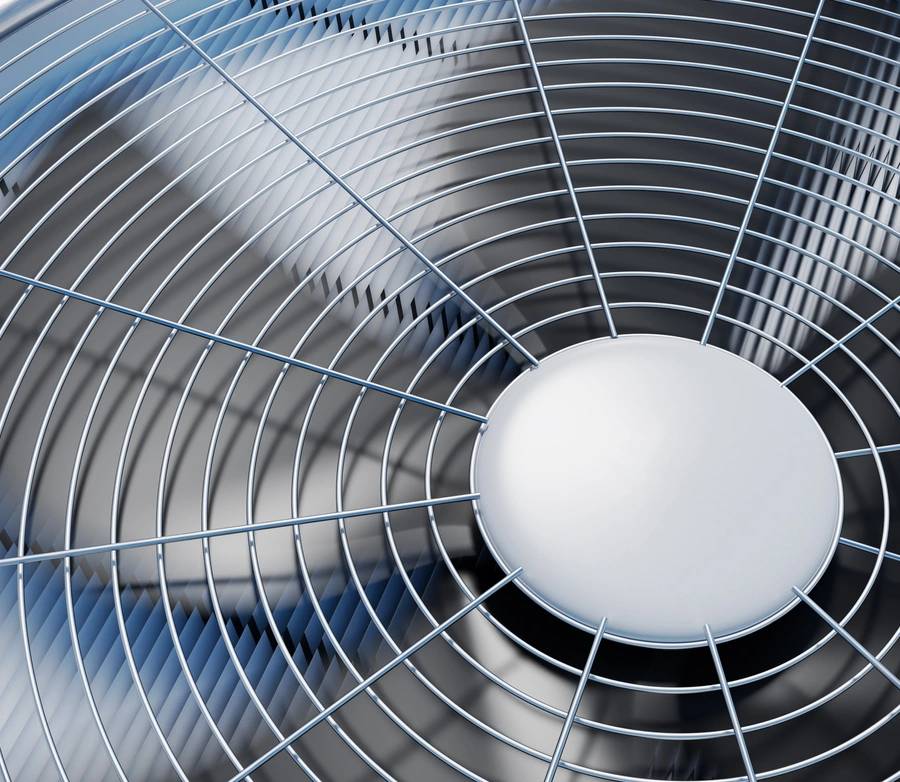
Heat Pump and Air Handler vs. A/C and a Coil with Furnace
When homeowners in Kennesaw, Cobb, Cherokee, or Paulding County contact CoolLife Heating & Air, one of the most common questions we hear is: Which is better, a heat pump/air handler system or a conventional A/C coil plus furnace? And how do gas systems compare to electric options?
In this blog, we break down the differences, the pros and cons, and what’s best for Georgia’s climate.
System basics: What is a Heat Pump and Air Handler system?
A Heat Pump/Air Handler setup uses a single outdoor unit that can reverse operation (cooling in summer, heating in winter), paired with an indoor air handler (blower, evaporator coil, controls). In heating mode, it extracts heat from outside air (even in cold weather) and brings it inside. In cooling mode, it operates like an air conditioner.
System basics: A/C with Coil and Furnace
A more traditional system involves two distinct units:
- The air conditioner (outdoor condensing unit) cools in the summer, utilizing an indoor evaporator (coil) located inside the air handler or furnace enclosure.
- The furnace handles heating in winter, typically burning natural gas (or propane) to produce heat and distributing it via the same ductwork.
Comparison: heat pump / air handler vs A/C coil + furnace
| Feature | Heat Pump / Air Handler (All-Electric / Hybrid) | A/C Coil + Furnace (Gas / Dual Fuel) |
|---|---|---|
| Single device for heating & cooling | ✅ Yes (no combustion) | ❌ Heating via separate furnace |
| Energy source | Electricity only (or hybrid combo) | Electricity for cooling; gas (or propane) for heating |
| Efficiency & operating cost | Very efficient in moderate climates; modern units (e.g. cold-climate heat pumps) can perform well even when outdoor temps drop | Gas furnaces may have high efficiency (AFUE), but gas prices and maintenance can shift cost advantages |
| Maintenance | Less complexity (no combustion components) | More parts (burners, flues, ignition) to maintain |
| Lifespan & durability | Good, though defrost cycles and outdoor conditions matter | Furnaces often require more regular upkeep (e.g. burner cleaning) |
| Comfort & performance | May deliver more uniform temperature control, better dehumidification | Strong heating output, especially in very cold weather |
| Carbon footprint & emissions | Zero on-site emissions (if electricity is from clean sources) | Emits CO₂ and combustion byproducts on-site |
If you live in Kennesaw, Cobb, Cherokee, or Paulding County, Georgia, and you’re exploring whether to upgrade or replace your HVAC system, CoolLife Heating & Air can help you make an informed decision. Our certified technicians specialize in both heat pump systems and conventional gas furnace systems and can design the optimal solution for your home.
📞 Call us today at 404-839-3998 or request a free estimate via our website. Experience better comfort, energy savings, and peace of mind with the professionals at CoolLife Heating and Air.
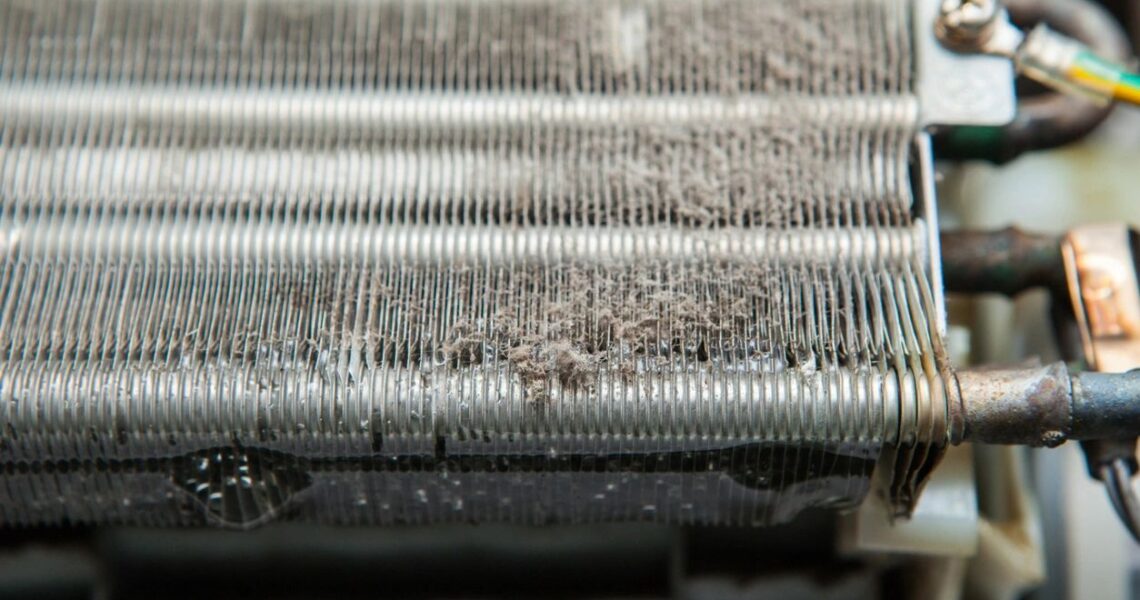
How Gas and Electric Systems Differ
Gas systems vs electric systems
- Gas furnace (forced-air): Burns natural gas (or propane). It’s been a go-to option for winters, delivering rapid heating. However, combustion requires venting, safety considerations, and regular servicing.
- Electric furnace/heat pump: Uses electricity to power heating (resistive elements or heat extraction). There’s no flame, so it’s simpler to install and doesn’t require a flue. Rising grid decarbonization improves their sustainability over time.
- Hybrid or dual-fuel systems: Combine a heat pump for mild weather and a gas furnace for the very cold days. This can optimize cost and performance across seasons.
Which HVAC system is better for Kennesaw and our surrounding areas?
In North Georgia, winters are relatively mild compared to more northern states. Because of that:
- Modern heat pumps (especially cold-climate models) often deliver excellent heating down to 20°F or lower.
- Electricity rates vs gas rates will influence cost trade-offs.
- Efficiency, maintenance costs, longevity, and incentives should all be considered.
In many cases, homeowners see great value in all-electric or hybrid systems. But for certain homes (very large, poor insulation, or very cold weather exposure) a gas furnace may remain a solid part of a hybrid design.
What to ask when choosing
- What is the Coefficient of Performance (COP) or HSPF (Heating Seasonal Performance Factor) of the heat pump?
- What is the AFUE rating of the gas furnace?
- Is the system sized properly (we’ll talk more about ductwork and sizing in our next blog)?
- What warranties, maintenance, and lifespan are offered?
- Are there incentives or tax credits (especially relevant with recent federal programs — see our third blog)?
If you live in Kennesaw, Cobb, Cherokee, or Paulding County, Georgia, and you’re exploring whether to upgrade or replace your HVAC system, CoolLife Heating & Air can help you make an informed decision. Our certified technicians specialize in both heat pump systems and conventional gas furnace systems and can design the optimal solution for your home.